

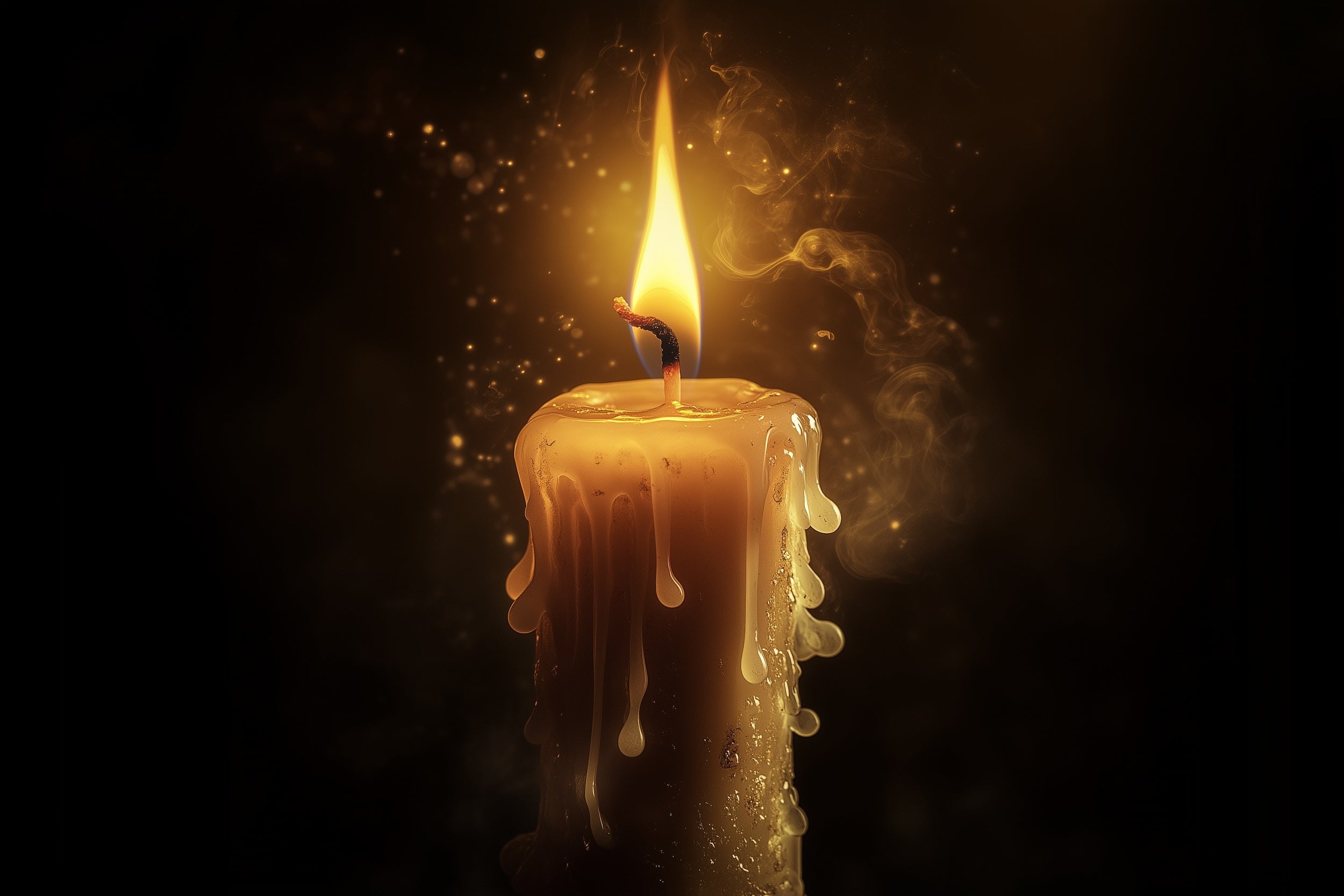
The Art of Candle Making: A Journey Through History
For thousands of years, candles have held a special place in human life. Originally created out of necessity, they provided light in the darkness, warmth in the home and played an important role in religious ceremonies and daily rituals. Over time, candle making evolved from a simple practical craft into an art form, combining craftsmanship, materials and fragrance.
Today, candles are as much about atmosphere and wellbeing as they are about illumination. Let's explore the fascinating history behind this timeless craft.
Ancient Beginnings
The origins of candle making can be traced back thousands of years. Ancient civilisations, including the Egyptians, Romans, Chinese and Japanese, developed their own methods of creating sources of light using materials available to them.
The Romans are often credited with developing early wick-based candles, made by repeatedly dipping papyrus into melted animal fat or beeswax. These were used in homes, during travel and for religious ceremonies.
Other cultures developed equally resourceful techniques, using materials such as rice paper, plant-based waxes and animal fats. Although their methods differed, the purpose remained the same: to bring light into everyday life.
The Medieval Era: Beeswax and Tradition
During the Middle Ages, candle making became increasingly established across Europe. Beeswax emerged as a highly valued material, prized for its cleaner, brighter flame and naturally subtle fragrance. However, its expense meant that beeswax candles were largely reserved for churches, religious ceremonies and wealthier households.
For everyday use, tallow candles, made from rendered animal fat, remained the more affordable and widely accessible option. Candle making was still a largely handmade craft, requiring considerable skill and patience.
The Industrial Revolution: A New Era
The 19th century brought significant advances to candle production. Mechanisation made it possible to manufacture candles on a much larger scale, making them more affordable and accessible.
The introduction of stearin, derived from animal fats and later vegetable oils, helped produce harder candles with a more consistent burn. The development of paraffin wax, obtained during petroleum refining, brought further change, offering an economical and versatile material that transformed the candle industry.
These innovations marked the transition from candles being an everyday necessity to becoming increasingly available as decorative and lifestyle products.
Modern Candle Making: Craftsmanship Meets Creativity
With the arrival of electric lighting, candles were no longer essential sources of illumination. Instead, their purpose began to evolve. Today, candles are valued for the atmosphere they create, the character they bring to a room and the way fragrance can influence our mood and surroundings.
Modern candle makers have a much wider choice of materials, including botanical waxes such as rapeseed and coconut, alongside traditional waxes. Advances in fragrance development have also opened up extraordinary creative possibilities, allowing for more distinctive, complex and beautifully layered scent compositions.
The contemporary candle has become an expression of personal style, considered craftsmanship and the pleasure of the senses.
The Future of Candle Making
The art of candle making continues to evolve. Greater attention is being given to responsible material sourcing, thoughtful packaging, fragrance innovation and the quality of the overall experience.
Yet, despite advances in technology and materials, the essence of candle making remains unchanged: the ability to transform a simple flame into something that brings atmosphere, comfort and character to a space.
At Sachi, we appreciate this heritage while embracing a more contemporary approach. Through carefully selected fragrance compositions, botanical wax blends and considered craftsmanship, we celebrate the enduring appeal of candles and their ability to enrich the everyday.
A Timeless Art
From ancient civilisations to the modern home, candles have travelled a remarkable journey. What began as a practical necessity has become an enduring symbol of warmth, atmosphere and personal expression.
So, the next time you light a candle, take a moment to appreciate the centuries of history, ingenuity and craftsmanship behind this simple yet extraordinary creation.


